
Anyone has or anyone have — which one do you actually say? You’ve probably typed both into Google at some point, unsure which sounds right. It’s a tiny word, but it trips up even confident English speakers.
Here’s the good news: the rule is simpler than it looks. In this guide, you’ll learn exactly when to use “has” and when “have” is correct, with clear examples, quick comparison tables, and the common mistakes to avoid.
Quick Answer First: Anyone Has vs Anyone Have
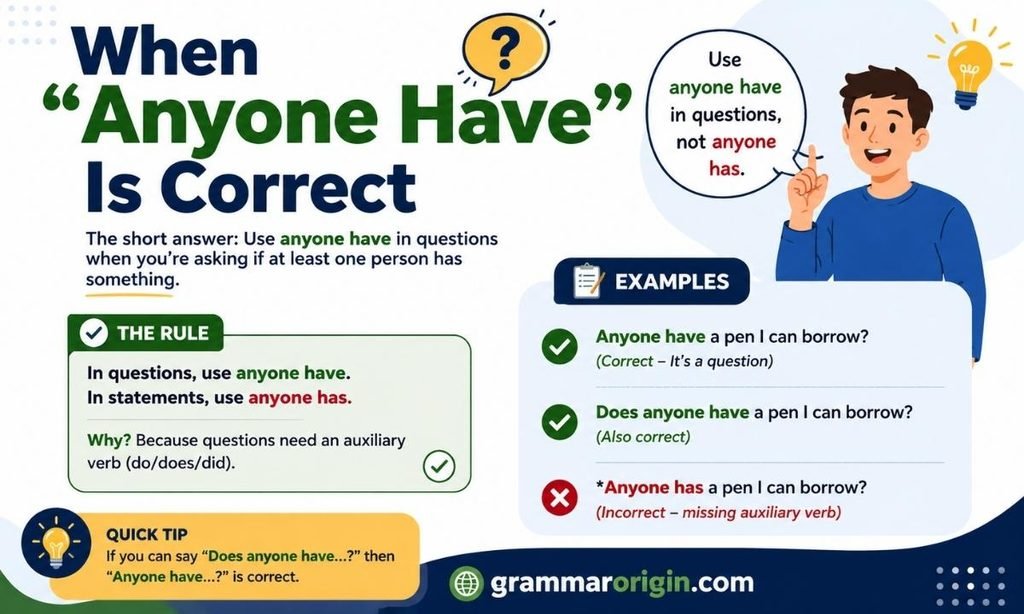
Short answer: Use “anyone has” in statements, and “anyone have” after helping verbs like do/does/did — mostly in questions and negatives.
✅ Anyone has the right to ask questions. ✅ Does anyone have a pen? ❌ Anyone have the right to ask questions. ❌ Does anyone has a pen?
“Anyone” is grammatically singular, so on its own it always goes with “has.” “Have” comes into play when an auxiliary verb (does, did, can, will) is already carrying the agreement — in that case, the main verb stays in its base form (have).
The Core Grammar Rule You Must Know
Anyone Is Always Singular
“Anyone” is always singular — even though it can refer to an unknown person out of many, grammar treats it as a single unit — just like “he,” “she,” or “it.”
Simple memory trick: replace “anyone” with “any one person.” If the sentence works with “he” or “she,” it will work with “has” too.
Common Singular Indefinite Pronouns
| Pronoun | Number | Correct Verb |
| Anyone | Singular | has |
| Everyone | Singular | has |
| Someone | Singular | has |
| Nobody / No one | Singular | has |
| Somebody | Singular | has |
When “Anyone Has” Is Correct
Declarative Statements
Quick answer: “Anyone has” is used in statements — where a fact, belief, or observation is being described, not a question.
Examples:
- Anyone has access once they register.
- I don’t think anyone has finished the assignment yet.
- Anyone has the ability to improve with practice.
Note: even with a phrase like “I don’t think,” the verb still agrees with “anyone,” not with “I.”
Embedded Clauses and Indirect Speech
Quick answer: “Anyone has” stays correct even inside longer, indirect sentences, as long as no auxiliary verb (does/did) is directly attached.
Examples:
- She asked whether anyone has experience with the software.
- The policy explains why anyone has the authority to escalate a complaint.
- Nobody confirmed if anyone has seen the missing file.
Test: mentally remove the introductory clause — if what’s left reads as “anyone has…,” the sentence is correct.
Formal and Written English
Quick answer: Formal and professional writing always uses “anyone has” because it follows strict subject-verb agreement.
You’ll see this form in:
- Academic papers/essays
- Business contracts, policy documents
- Legal writing
- Official emails/reports
Example: “Anyone has the right to request a review under company policy.”
Also Read This Requester vs Requestor
When “Anyone Have” Is Correct
Direct Questions
Quick answer: “Anyone have” is only correct when a helping verb (do, does, did, can, will) is already present — mostly in questions.
Correct:
- Does anyone have a charger?
- Did anyone have trouble logging in?
- Will anyone have time tomorrow?
Incorrect: ❌ Does anyone has a charger? ❌ Did anyone has trouble logging in? ❌ Will anyone has time tomorrow?
Reason: the auxiliary verb (“does”) already carries the singular agreement, so the main verb (“have”) reverts to its base form. “Does anyone has” is the most common mistake here.
Negative Constructions
Quick answer: Negatives follow the same auxiliary-verb rule as questions.
Examples:
- Anyone doesn’t have permission without approval.
- Doesn’t anyone have the answer?
- Nobody said anyone doesn’t have access.
Conditional and Hypothetical Sentences
Quick answer: In everyday/modern writing, use “if anyone has…” Older formal/legal writing occasionally uses “if anyone have…” — but that form is now optional and rare.
Examples:
- Everyday: If anyone has concerns, speak now.
- Formal/legacy: If anyone have objections, speak now.
“Anyone” vs “Any One” (Two Words)
Quick answer: “Anyone” (one word) = any person, in general. “Any one” (two words) = one specific item/person selected from a group.
| Form | Meaning | Example |
| Anyone (one word) | Any person at all | Anyone can join the club. |
| Any one (two words) | One specific item/person from a set | Choose any one of these three books. |
Test: If you can add “of” right after the phrase (“any one of…”), then you need two words. Otherwise, “anyone” is correct.
Spoken English vs Written English
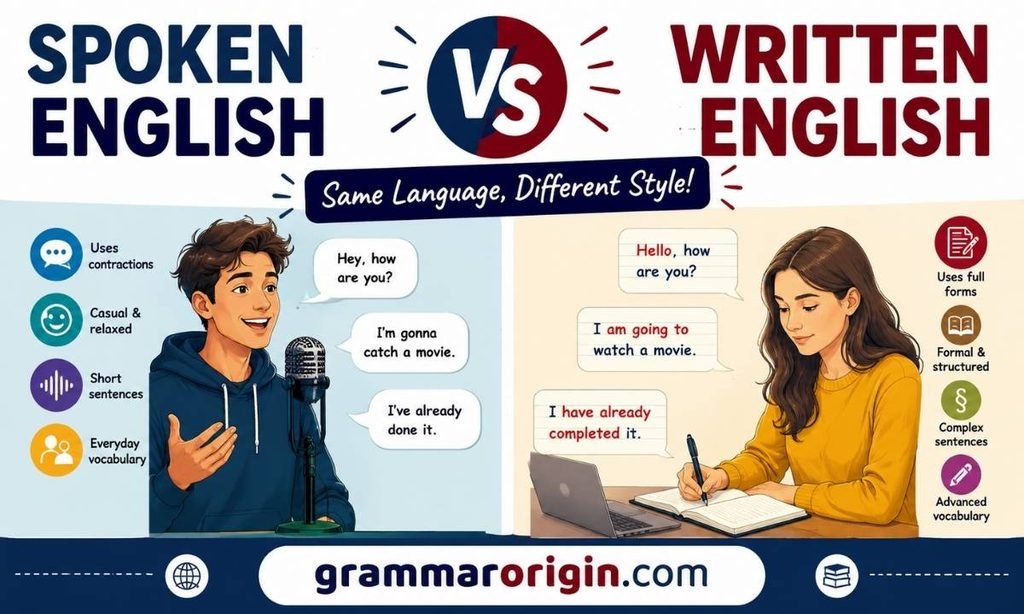
In casual conversation, people say “Anyone have a pen?” instead of “Does anyone have a pen?” — it sounds natural when spoken, but this shortcut isn’t allowed in writing.
“Anyone” Sounds Plural (But Isn’t)
Because “anyone” refers to any one person out of many possible people, the brain expects a plural verb. Grammar follows structure, not meaning — and structurally, “anyone” is always singular.
Subject-Verb Agreement Made Simple
Anyone = singular → a singular subject needs a singular verb → singular verb = has
The only exception: when an auxiliary verb already does the agreement work, the main verb “have” (base form) is used instead.
Anyone Has vs Anyone Have: Side-by-Side Comparison
| Sentence Type | Correct Form | Example |
| Statement | anyone has | Anyone has the right to ask. |
| Question | anyone have | Does anyone have a question? |
| Negative | anyone have | Anyone doesn’t have access. |
| Indirect/embedded statement | anyone has | I doubt anyone has finished. |
| Formal conditional (older style) | anyone have | If anyone have concerns, speak now. |
| Everyday conditional | anyone has | If anyone has concerns, speak now. |
Anyone vs Anybody: Is There a Difference?
Quick answer: No grammatical difference. Both are singular indefinite pronouns and follow the same rules. The only difference is tone.
| Sentence Type | Anyone | Anybody |
| Statement | Anyone has a key | Anybody has a key |
| Question | Does anyone have a key? | Does anybody have a key? |
“Anyone” sounds slightly more formal; “anybody” is more conversational.
Common Mistakes (And How to Fix Them)
Mistake 1: Matching Meaning Instead of Grammar
❌ Anyone have responsibilities → ✅ Anyone has responsibilities
Mistake 2: Forgetting the Auxiliary Verb Rule
❌ Does anyone has the answer? → ✅ Does anyone have the answer?
Mistake 3: Overcorrecting Negatives
❌ Anyone doesn’t has access → ✅ Anyone doesn’t have access
Mistake 4: Confusing “Anyone” With “Any One”
❌ Choose anyone of these three options. → ✅ Choose any one of these three options.
Pronunciation Traps That Cause Confusion
In fast speech, the sounds of “has” (/həz/) and “have” (/hæv/) can blur together — which is why even native speakers sometimes write what they hear instead of what grammar requires. This trap is especially common for ESL learners. When writing, don’t rely on sound — use the auxiliary-verb test instead.
Also Read This Requester vs Requestor
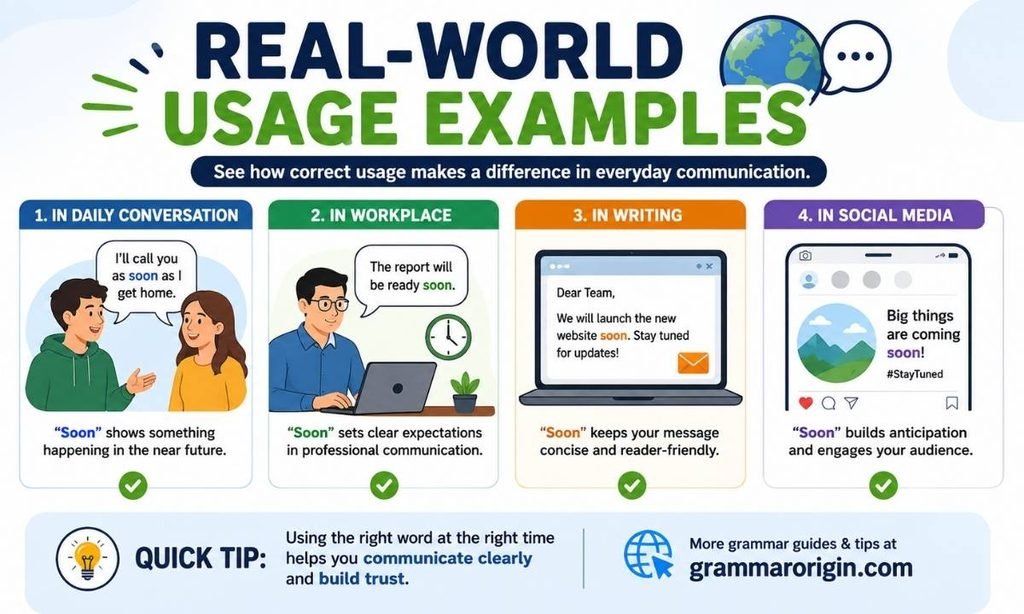
Real-World Usage Examples
Everyday Conversation
- Does anyone have the time?
- I don’t think anyone has arrived yet.
Workplace Communication
- Anyone has access after onboarding is complete.
- Does anyone have feedback before we launch?
Academic and Exam Writing
- Anyone has the right to challenge an assumption with evidence.
- Incorrect subject-verb agreement can cost marks in exams like IELTS/TOEFL.
Quick Grammar Checklist (Bookmark This)
- Is it a statement or a question?
- Is an auxiliary verb (do/does/did/can/will) already present?
- Are you talking about “anyone” (any person) or “any one” (one specific item)?
- Default rule: if the subject is “anyone” and there’s no auxiliary verb, start with “has.”
Quick Practice: Test Yourself
Fill in the Blanks
- Does anyone ___ a spare charger?
- Anyone ___ the right to speak up.
- If anyone ___ questions, please raise your hand.
- I don’t think anyone ___ noticed the change yet.
Answers: 1. have 2. has 3. has 4. has
Frequently Asked Questions
Anyone has or anyone have?
Both are correct, depending on the sentence structure. Use “anyone has” in statements, and “anyone have” alongside an auxiliary verb (mostly in questions and negatives).
Is “anyone have a question?” correct in writing?
No. Formal writing requires the auxiliary verb: “Does anyone have a question?”
Why does “anyone” take a singular verb?
Because grammatically, “anyone” is treated as “any one person,” not as a group.
What’s the difference between “anyone” and “any one”?
“Anyone” refers to any person in general. “Any one” refers to one specific item or person from a set, as in “any one of these three.”
Is there a difference between “anyone” and “anybody”?
No grammatical difference — both are singular and follow the same rules. “Anyone” sounds slightly more formal, “anybody” more conversational.
Final Takeaway
“Anyone” is singular. Use “has” by default, and “have” only when an auxiliary verb (does, did, can, will) is already carrying the agreement — mostly in questions and negatives.
Once this rule is clear:
- The “anyone has or anyone have” confusion disappears.
- You’ll sound consistently correct in both writing and speech.
- You won’t need to guess the difference between “anyone” and “any one” (two words) anymore.

Muhammad Waqas is an English language teacher and grammar expert with over 8 years of experience helping students and professionals improve their writing skills. He specializes in English grammar, vocabulary, communication, and practical language learning. Through GrammarOrigin, Waqas shares clear, easy-to-understand content that helps readers write and speak English with confidence.